
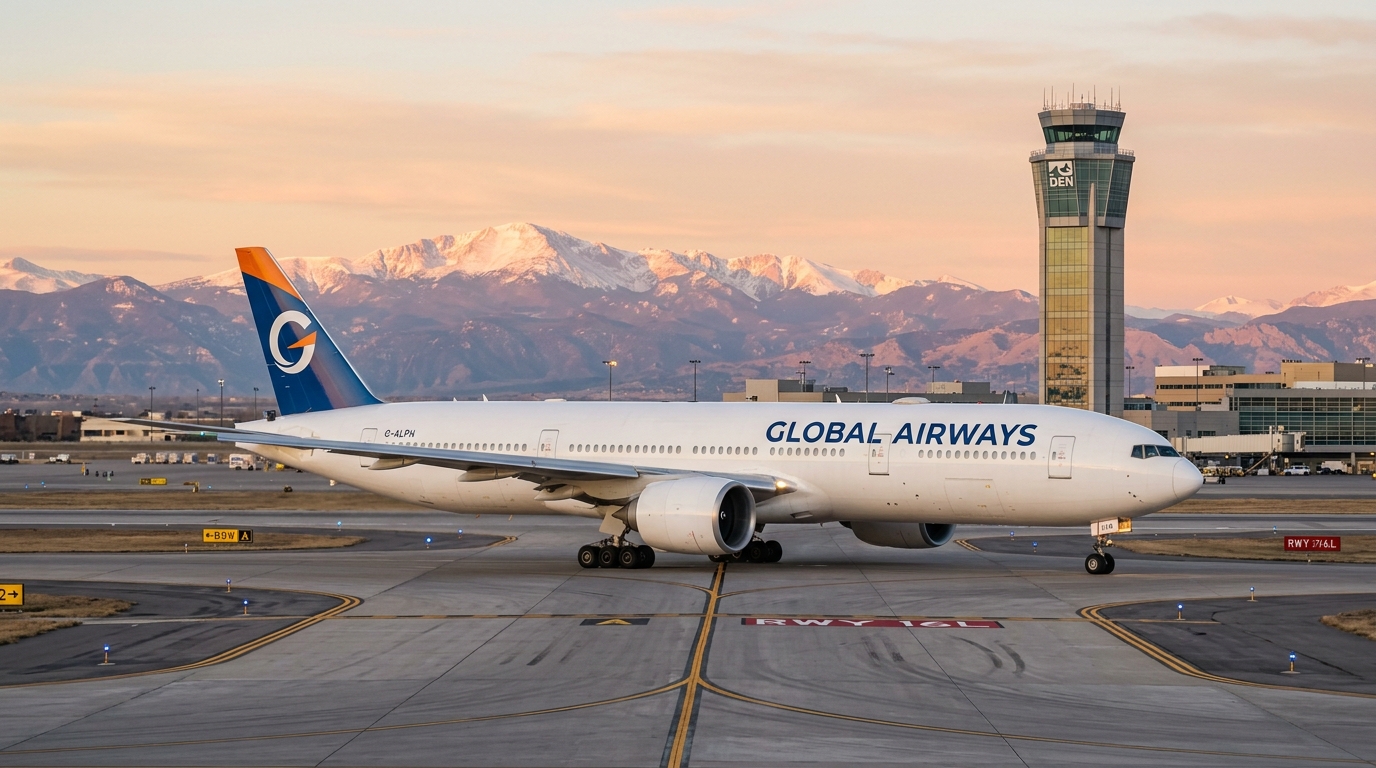
The detours are starting to come off the map.
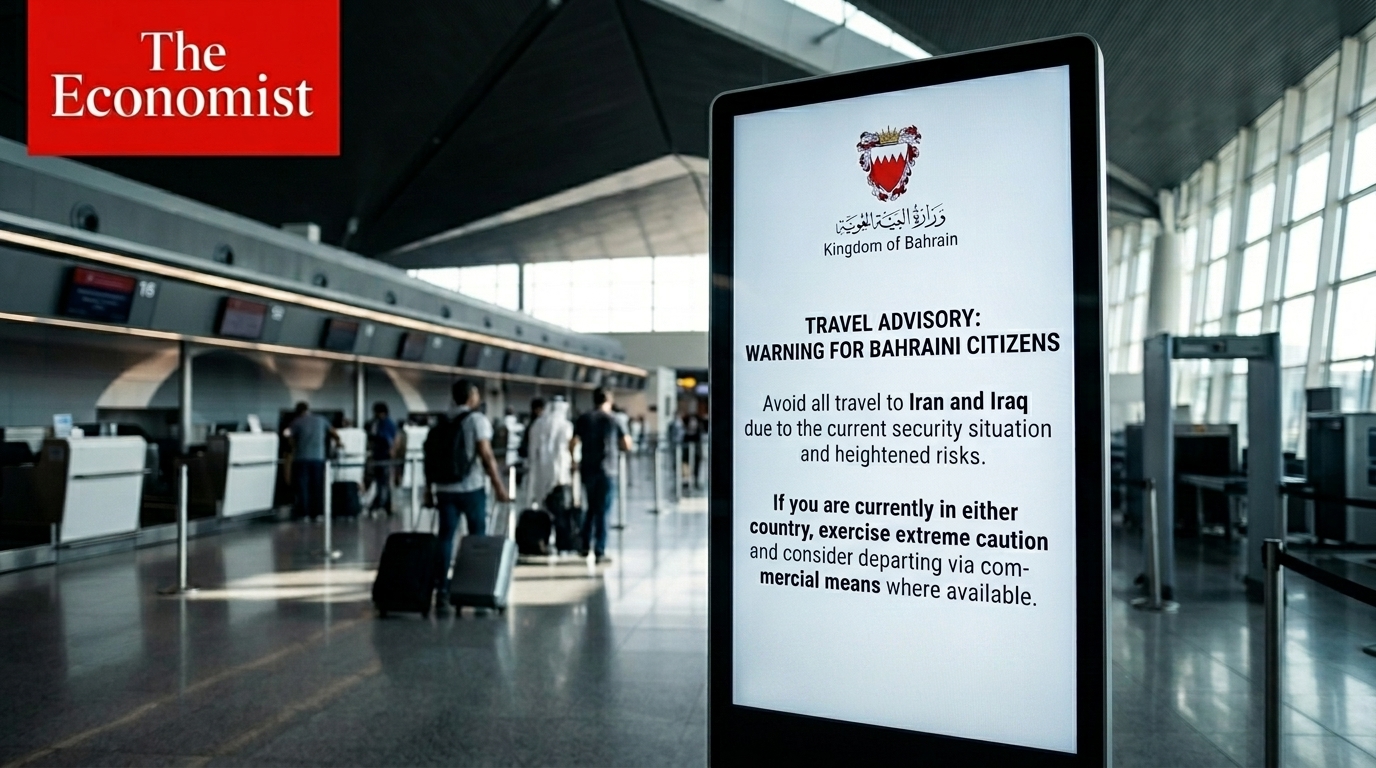
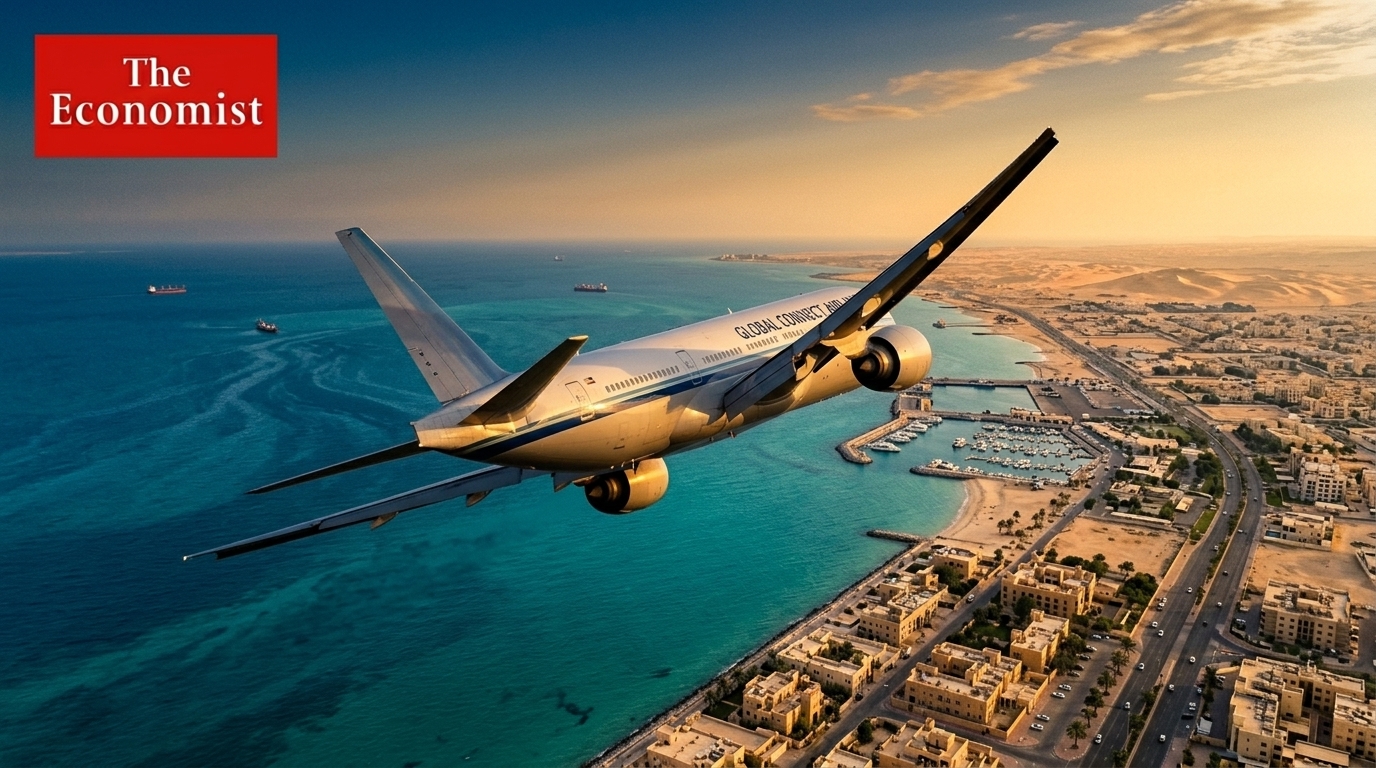
International airline bodies have begun rolling back temporary transit surcharges that were introduced during the peak of the Strait of Hormuz standoff, when commercial flight paths across the Gulf region were rerouted away from airspace considered too risky given the exchange of strikes between the US and Iran. With a communication channel now established through the Doha talks, and the ceasefire holding into its fourth day, carriers are beginning to shift flight corridors back toward their standard routes, a move airlines say will save millions of dollars in daily fuel costs.
The surcharges themselves had been a direct response to the conflict's disruption of one of the world's busiest airspace corridors. When fighting escalated, insurers and national aviation authorities pushed airlines to avoid flying directly over or near the strait, forcing longer routings that added flight time, fuel burn, and cost across a significant share of long-haul traffic between Europe, the Gulf, and Asia. Those added costs were passed through to passengers and cargo customers in the form of temporary surcharges, a familiar pattern from past periods of regional instability affecting Gulf airspace.
The reversal now underway is incremental rather than complete. Aviation officials have described the process as one of "technical progress," language that mirrors how negotiators have characterized the underlying Doha talks themselves: real movement, but nothing resembling a finalized settlement. Airlines and their regulators are watching the same signals that oil traders are watching, the status of the ceasefire, the pace of shipping traffic resuming through the strait, and the outcome of ongoing negotiations over how the waterway will be managed going forward, before committing fully to pre-war routing patterns.
For passengers, the practical effect should show up gradually in ticket pricing and flight times on routes that cross or skirt Gulf airspace, as carriers recalculate fuel costs and insurance premiums against a more stable operating picture. For the airlines themselves, the rollback offers a meaningful reprieve after months of elevated operating costs tied to the conflict. Whether that reprieve holds depends, as with so much else connected to the Hormuz standoff, on what happens once US and Iranian negotiators sit back down after the pause for Iran's funeral processions concludes on July 9.
Comments (0)
Please log in to post a comment.
No comments yet. Be the first!