
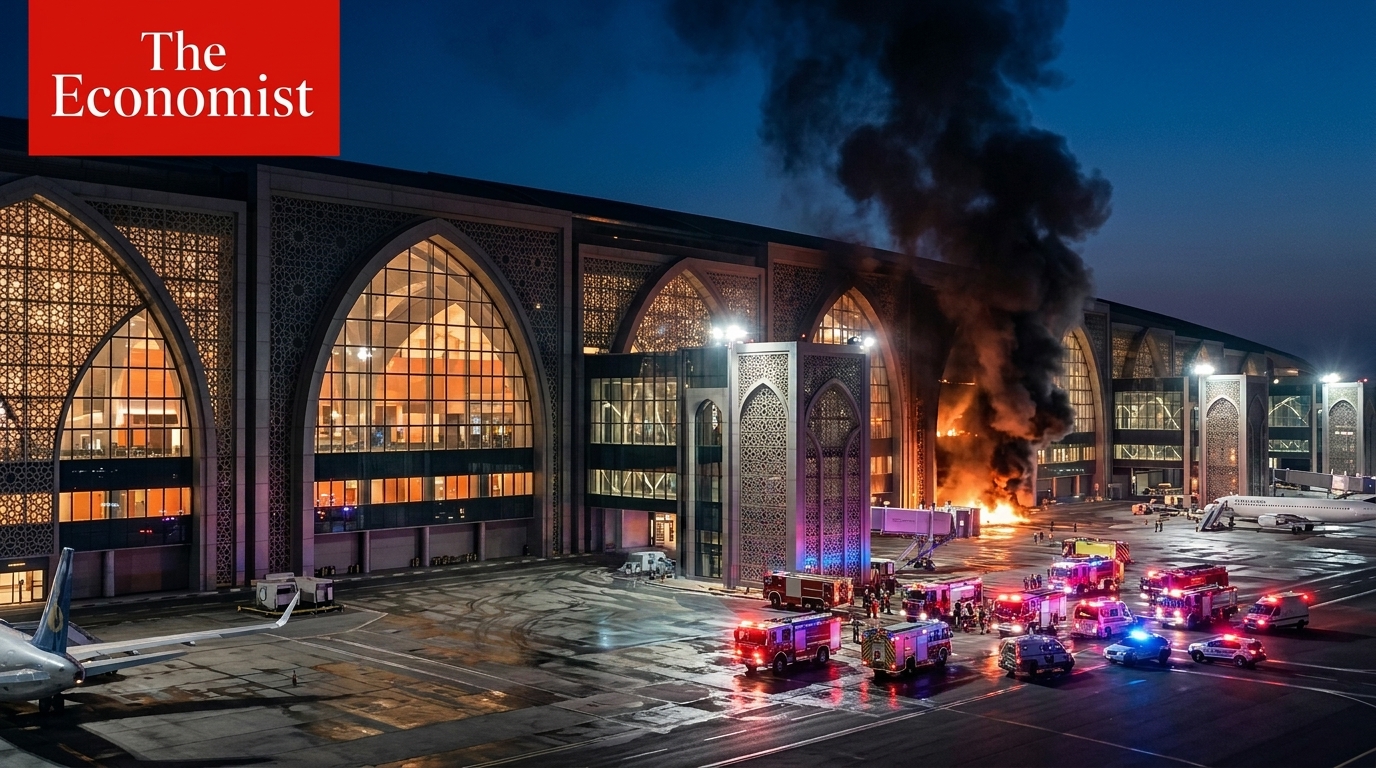
The war between the United States, Israel, and Iran was never going to stay neatly contained. That much became clear in early June 2026 when Iranian forces struck Kuwait's main international airport and carried out attacks against infrastructure in Bahrain — moves that drew swift and furious condemnation from Arab governments across the Gulf.
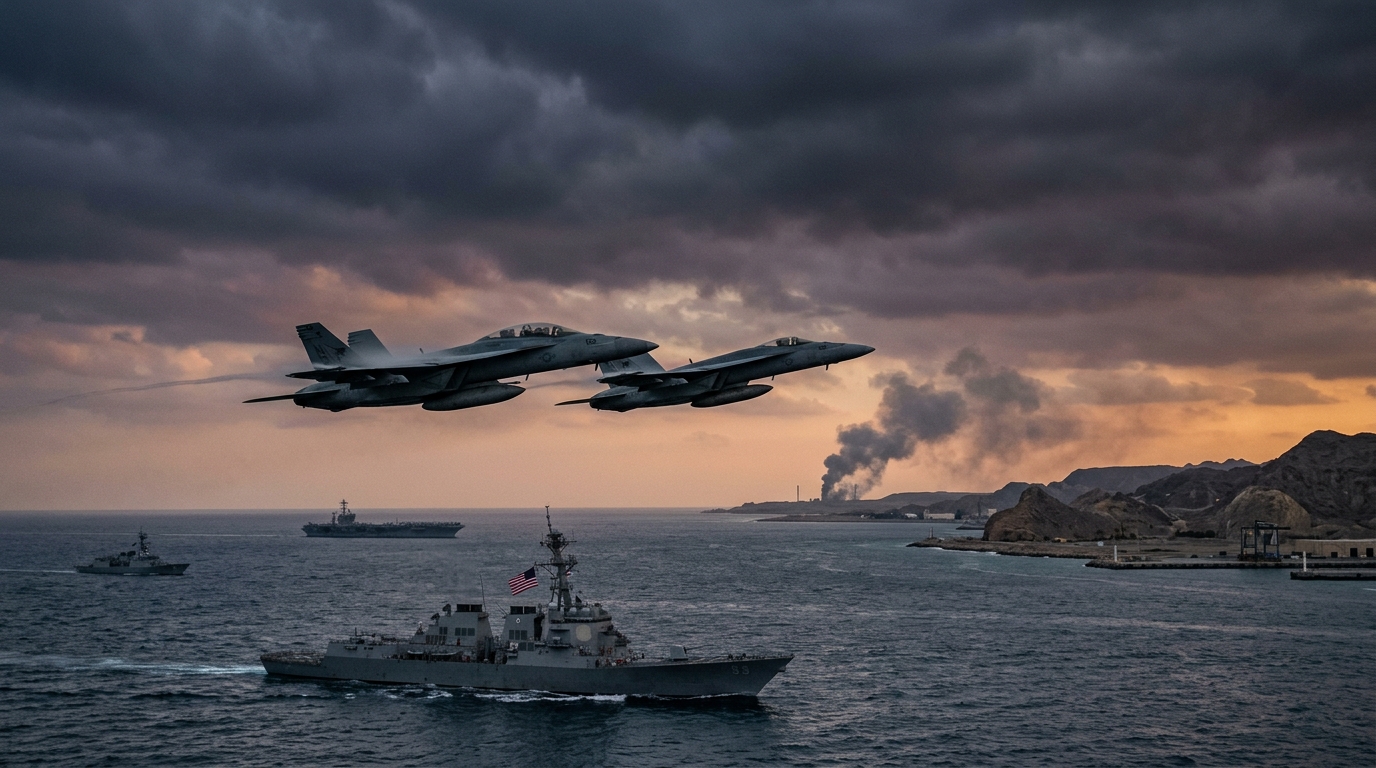
Kuwait and Bahrain are both close American allies. Bahrain hosts the US Navy's Fifth Fleet. Kuwait has hosted American military forces for decades. Hitting these countries was not a miscalculation by Iran — it was a deliberate attempt to reshape the strategic geography of the conflict, to punish states that Iran accused of facilitating American and Israeli operations.
The attacks caused significant disruption to air travel in the Gulf region and damaged infrastructure in both countries. Fortunately, the human death toll was limited, but the psychological impact — and the political fallout — were enormous.
Arab nations that had, until that point, tried to maintain a kind of studious neutrality in the US-Iran standoff suddenly found themselves thrust into the conflict. The Gulf Cooperation Council convened emergency talks. Saudi Arabia, the UAE, Qatar, and other regional powers condemned the strikes in the strongest terms. Kuwait's Foreign Ministry called the attacks a direct violation of its sovereignty and international law.
Iran's position was that it was responding to what it called the American and Israeli "war of aggression" and that nations that provided logistical support to that campaign would bear a cost. The Iranian Revolutionary Guard Corps framed the strikes as necessary and proportionate, a framing that found little sympathy outside Tehran.
For the United States, the strikes put the Trump administration in a difficult position. America had committed to defending its allies and partners in the region. But escalating in response to Iran's actions risked exactly the kind of wider regional war that US military commanders had been working hard to avoid. President Trump's statements at the time were characteristically unpredictable — alternately threatening severe consequences and suggesting that ceasefire talks were still on track.
The Bahrain and Kuwait strikes accelerated quiet diplomacy across the region. Several Gulf states quietly reached out to Iranian intermediaries through back channels, urging Tehran to de-escalate. Iran, for its part, allowed some categories of shipping through the Strait of Hormuz — notably, ships from Japan were given safe passage — suggesting a degree of calculated restraint even within the escalation.
What the episode demonstrated, starkly, was that the US-Iran conflict had the potential to destabilize the entire Gulf region — and that even neutral Arab states were not immune from being drawn into its destructive orbit.
Comments (0)
Please log in to post a comment.
No comments yet. Be the first!