
The European Union's digital services tax debate has been grinding through committee rooms and summit communiqués for the better part of five years. It is, in the way of most complex multilateral tax policy, the kind of issue that moves slowly through institutions, produces carefully worded joint communiqués, and rarely generates the kind of single sharp moment that cuts through the noise of international economic news.
Donald Trump just gave it that moment.
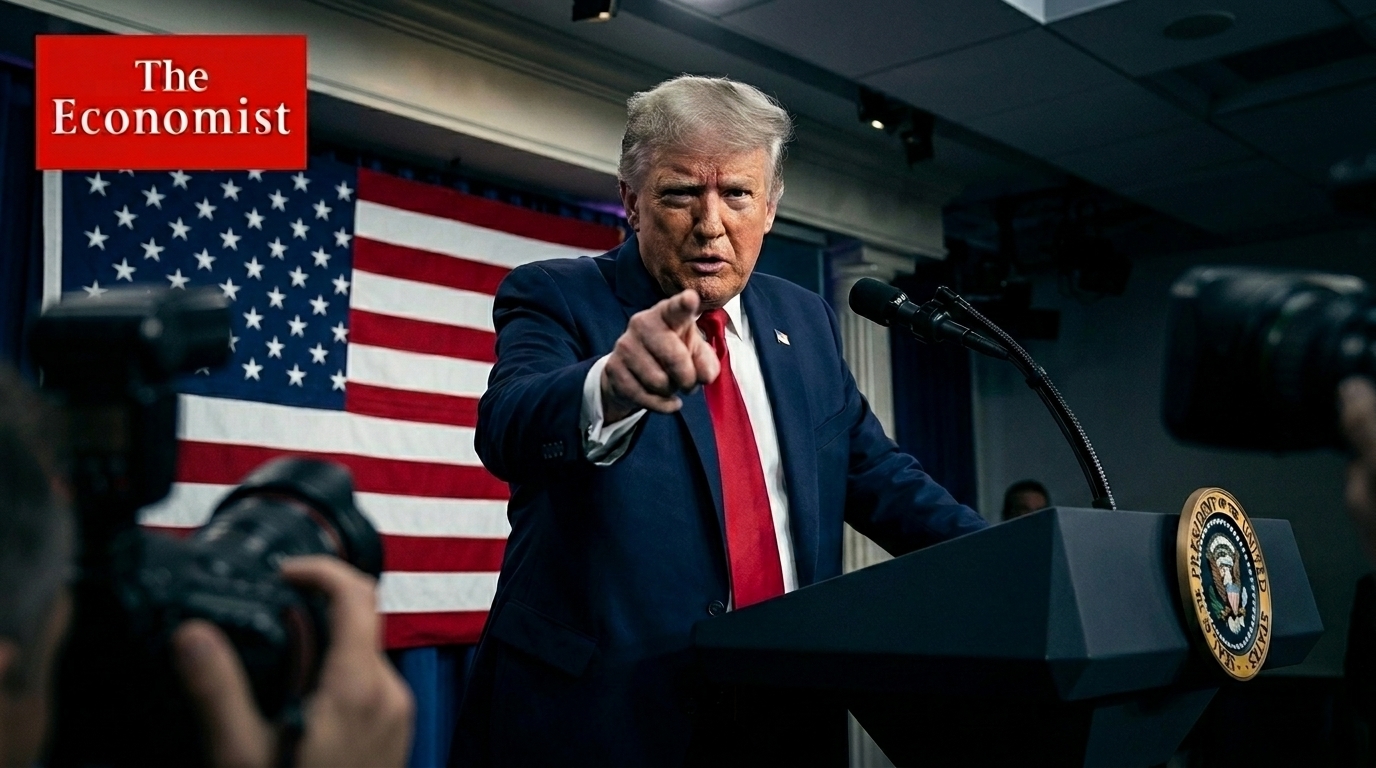
On Friday, Trump threatened to impose 100 percent tariffs doubling the effective price of imports from any country on any nation that implements a digital services tax on American technology companies. The statement was not accompanied by formal regulatory action or a specific list of targeted countries. It was, in its immediate form, a threat. But Trump's threats on tariffs have a documented track record of being followed by action, and global markets took it seriously.
The target of the warning is clear. France, Italy, Spain and the broader European Union have been pursuing digital services taxes that would apply to the revenues earned by large American technology companies within EU member states. The companies most affected would be Alphabet, which runs Google and YouTube; Meta, which runs Facebook and Instagram; Amazon, which runs its marketplace, cloud services and streaming platform; and Apple, through its App Store and services revenues. These companies earn enormous revenues in European markets but have historically structured their tax affairs to minimise the taxes paid in individual countries, often routing revenues through lower-tax EU jurisdictions like Ireland and Luxembourg.
The EU has argued that this arrangement is both unfair and harmful to the public finances of the larger member states where most of the actual economic activity takes place. American trade officials have consistently argued that the digital services taxes are discriminatory because they disproportionately target American companies, and that the US reserved the right to respond with retaliatory measures.
A 100 percent tariff is the nuclear option in trade policy. It does not mean a mild competitive disadvantage. It means that goods from affected countries double in price at the US border, effectively removing them from competitive consideration for most American buyers. For European exporters of everything from cars and wine to pharmaceuticals and luxury goods, such a tariff would be genuinely catastrophic.
The timing is no coincidence. Trump arrived at the G7 in France earlier this week as a deal-maker who had just secured an Iran ceasefire. He is also a president who has consistently used tariff threats as leverage in negotiations, whether the final objective is trade policy, security burden-sharing, or simply the demonstration of American power to a domestic audience that finds such demonstrations satisfying.
European governments reacted with alarm and diplomatic restraint simultaneously. Several issued statements defending their right to establish tax policy within their own jurisdictions. None immediately withdrew digital services tax proposals. The negotiation that will follow Trump's threat is the real story. The threat itself was the opening move.


Comments (0)
Please log in to post a comment.
No comments yet. Be the first!