
Article Body
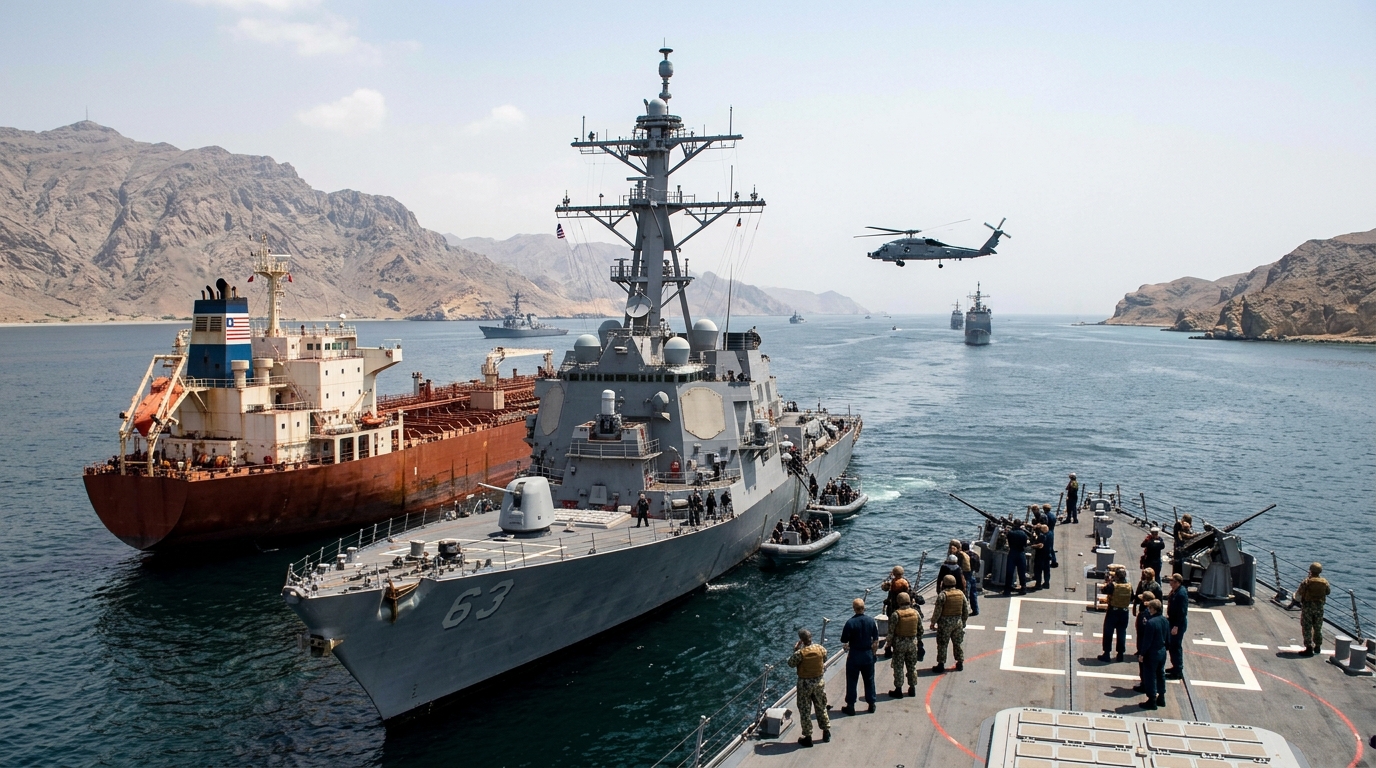
The Strait of Hormuz, a narrow yet strategically vital waterway connecting the Persian Gulf to the Arabian Sea, has once again become the center of a dangerous geopolitical confrontation. On July 14, 2026, the United States formally reinstated its naval blockade targeting Iranian ports along this critical maritime corridor, signaling a sharp escalation in tensions between Washington and Tehran. The move marks a renewed chapter in the long-running struggle for influence over one of the world's most important shipping routes, through which nearly 20% of global oil supplies pass.
The U.S. blockade comes in response to a series of provocative actions by Iran, including missile and drone attacks on commercial vessels, particularly ships associated with the United Arab Emirates (UAE). These attacks resulted in casualties and significantly increased concerns about regional security. According to U.S. officials, the strikes-carried out by Iran's Islamic Revolutionary Guard Corps (IRGC)-posed a direct threat to freedom of navigation and the stability of global energy markets.
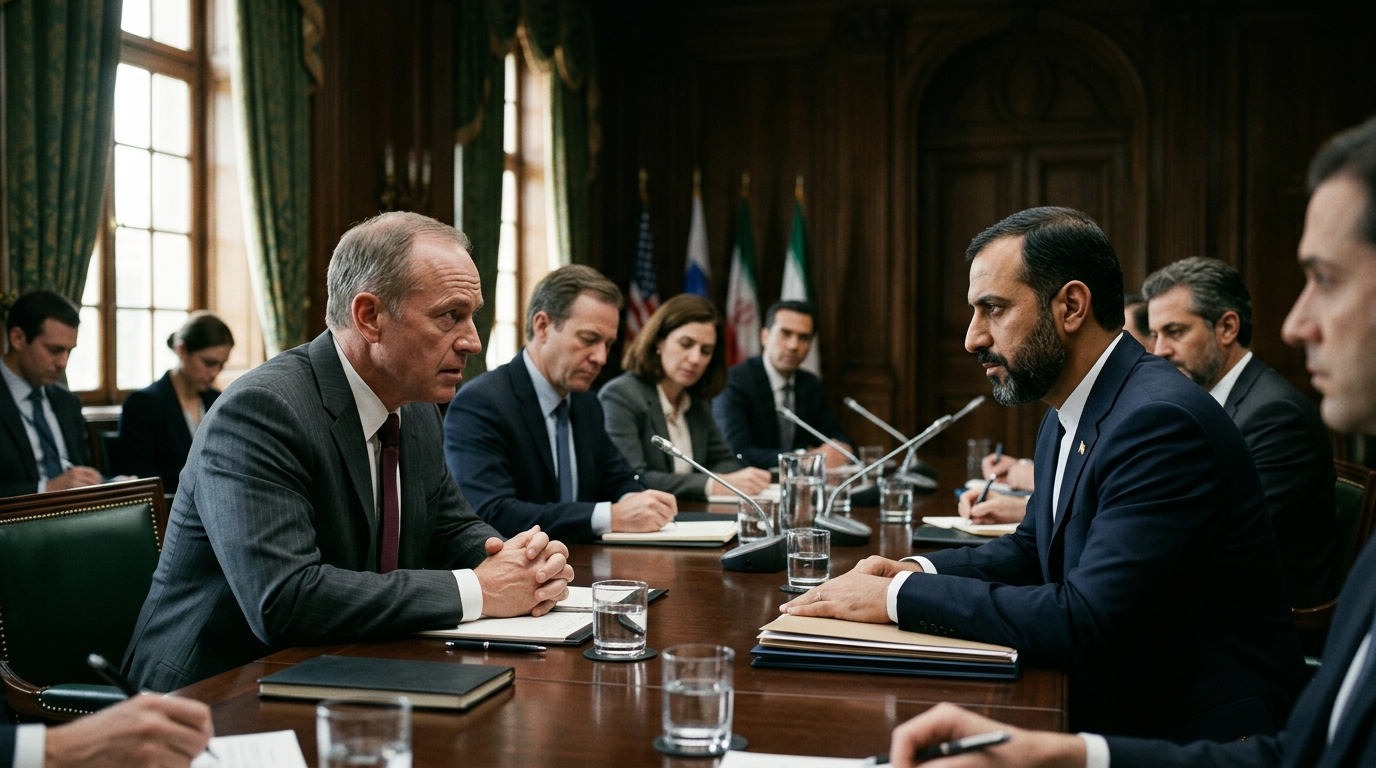
In April 2026, amid growing Iranian maritime activity, the United States imposed a naval blockade designed to limit Iran's ability to disrupt commercial shipping and weaken its military capabilities in the region. The blockade restricted Iranian access to key ports along the Strait of Hormuz, demonstrating Washington's determination to maintain security along this strategic chokepoint. Following weeks of intensive diplomatic negotiations, however, the blockade was lifted in June 2026 after both sides signed a memorandum of understanding (MOU), raising hopes that tensions would ease and the strait would fully reopen to international shipping.
Those hopes proved short-lived. By July, Iran had resumed military operations, launching missile attacks against oil tankers and intensifying maritime hostilities. Two tankers linked to the UAE were reportedly struck, with one of the incidents resulting in fatalities, highlighting the continued risks facing commercial shipping and the fragile security situation in the Gulf. In response, President Donald Trump announced the reinstatement of the naval blockade, stating that while vessels traveling to and from countries other than Iran would continue to enjoy safe passage, Iranian shipping and its defensive infrastructure would face tighter restrictions.
Iran responded swiftly by increasing missile and drone attacks targeting not only commercial tankers but also maritime infrastructure connected to its regional rivals. The IRGC's actions underscore Tehran's determination to maintain influence over the Strait of Hormuz, which Iranian leaders view as essential to national security and as a key deterrent against foreign military intervention.
The consequences of these developments extend far beyond the Gulf region. The renewed blockade and subsequent attacks have disrupted global shipping routes, contributing to increased volatility in oil prices and raising concerns across international markets. Governments around the world have expressed alarm over the security of this vital trade corridor, warning that any further escalation could threaten global energy supplies and broader international stability.
Countries including the UAE and the United Kingdom have condemned the Iranian attacks and called for restraint, urging all parties to respect international maritime law. The United States maintains that its actions are defensive and intended to protect the free flow of commerce while preserving regional security. Nevertheless, with both sides maintaining significant military deployments, the risk of either an accidental or deliberate escalation remains high.
As the crisis continues to develop, diplomatic efforts involving global powers and regional stakeholders remain underway in an attempt to reduce tensions. At the same time, ongoing naval deployments, missile strikes, and maritime confrontations illustrate the fragile state of security in the Strait of Hormuz.
In summary, the reinstatement of the U.S. naval blockade targeting Iranian ports in the Strait of Hormuz represents a significant turning point in U.S.-Iran relations and the broader geopolitical landscape of the Middle East. Both nations remain engaged in a high-stakes struggle for influence over this strategically important waterway, with far-reaching implications for global maritime security and energy markets. As tensions continue to unfold, the international community hopes that diplomatic efforts can prevent a wider conflict and ensure the uninterrupted flow of commerce through one of the world's most critical maritime corridors.
Comments (0)
Please log in to post a comment.
No comments yet. Be the first!