
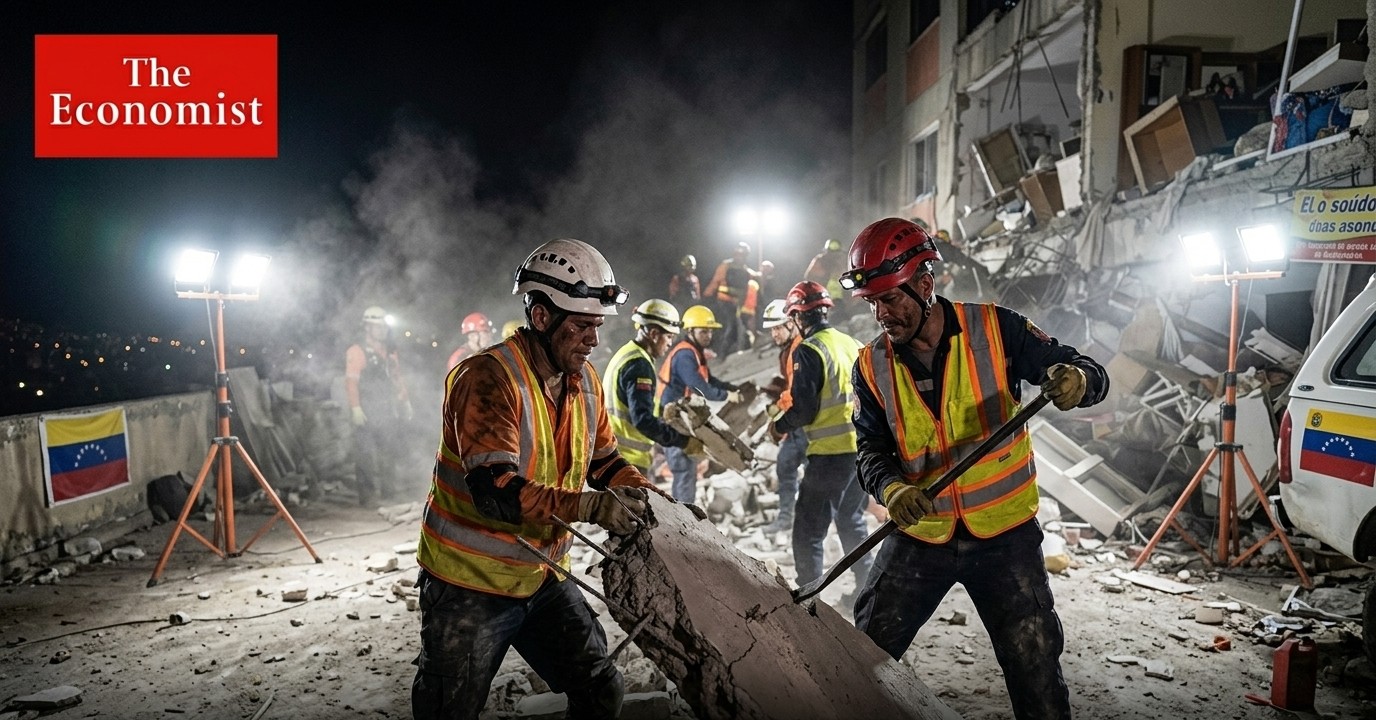
Rescuers Dig Through Rubble in Race Against Time
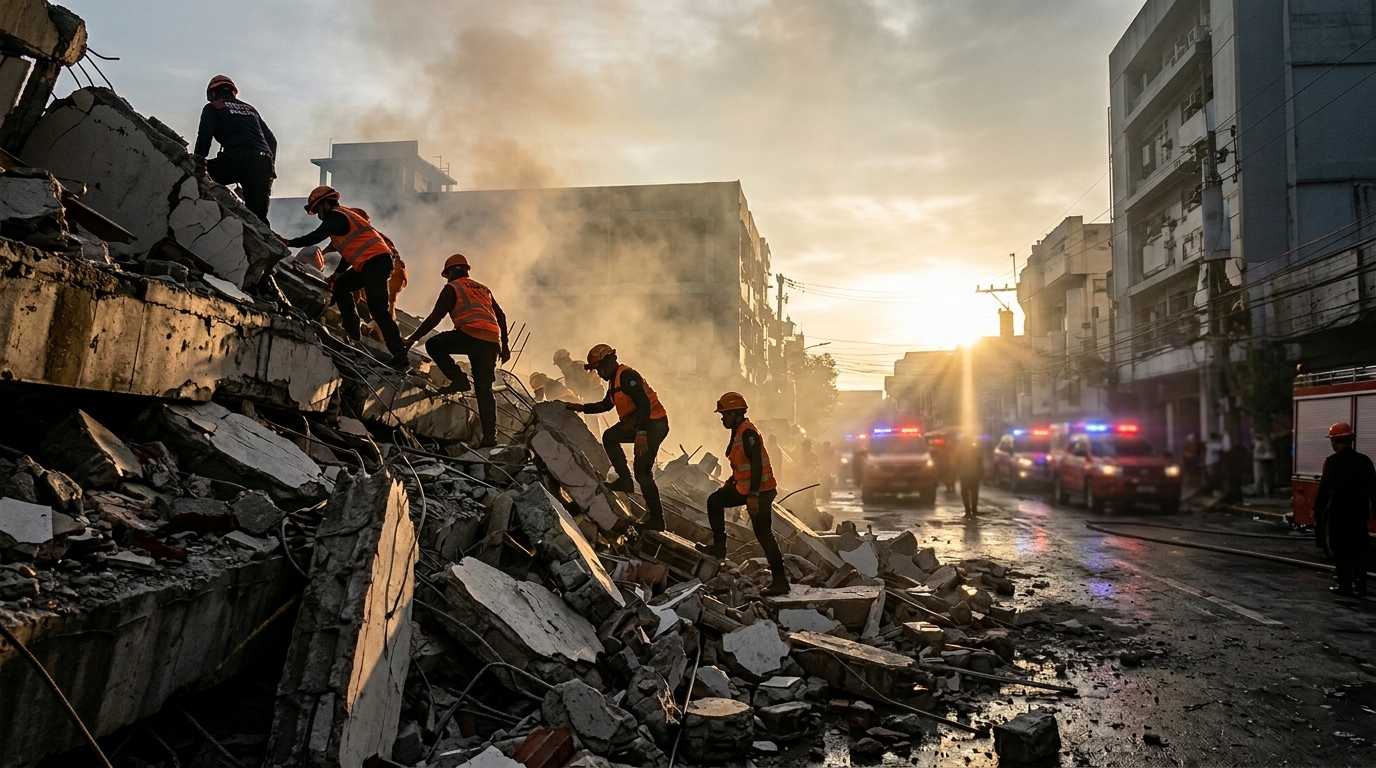
At least 188 people are dead and more than 1,520 injured after twin earthquakes tore through northern Venezuela on the evening of Wednesday, June 24, flattening hundreds of buildings and setting off a desperate search-and-rescue operation that continued through the night and into Thursday.
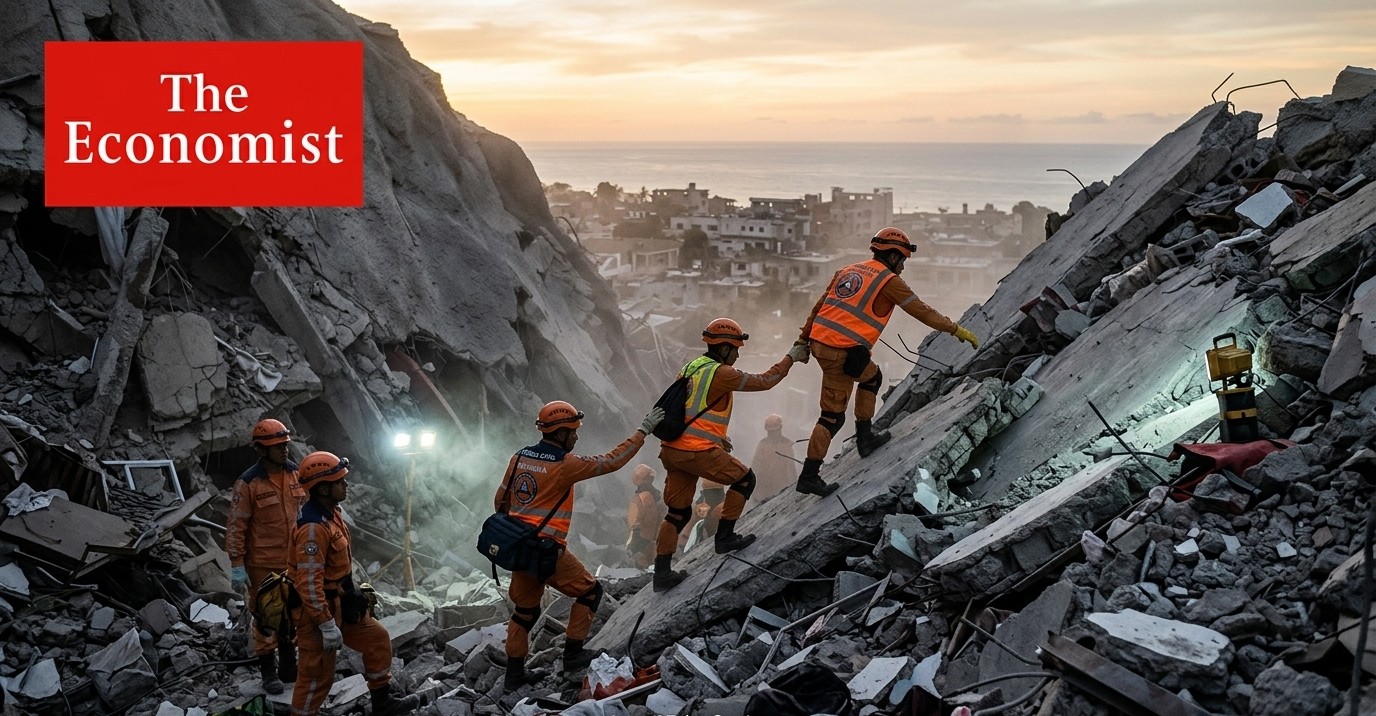
Jorge Rodríguez, president of Venezuela's National Assembly, confirmed the toll on Thursday and warned it would rise. He said 157 people were reported missing and more than 200 remained trapped in collapsed structures across the affected region. "We are in a tireless race against time to rescue the majority of them alive," he said.
A 'Doublet' That Shook the Country
The disaster began with a magnitude 7.2 foreshock near San Felipe, the capital of Yaracuy state, at approximately 6:04 p.m. local time. Just 40 seconds later, a larger 7.5 magnitude earthquake struck roughly 23 kilometres southeast of Yumare, also in Yaracuy. The United States Geological Survey described the pair as a "doublet" an exceptionally rare seismic sequence and confirmed it was the most powerful earthquake to hit Venezuela since a 7.7 magnitude event in 1900.
The epicentres, located near Venezuela's Caribbean coast about 100 miles west of Caracas, produced shockwaves felt across at least six states. Shallow depth amplified the surface destruction.
La Guaira Declared a Disaster Zone
The coastal state of La Guaira, which houses Venezuela's main international airport, bore the worst of the damage. Acting President Delcy Rodríguez, who assumed the role after the capture of Nicolás Maduro earlier this year, declared a state of emergency and designated La Guaira a disaster zone.
"We can say that the state of La Guaira is experiencing a genuine tragedy," Rodríguez said in a video message. A United Nations humanitarian agency reported more than 100 buildings had collapsed in La Guaira alone. Across the country, an estimated 250 buildings collapsed or were severely damaged.
Simón Bolívar International Airport near Caracas sustained damage and closed temporarily. Metro services were suspended. Gas lines were shut across affected neighbourhoods to prevent secondary explosions. Nationwide school classes were suspended for one week.
Rodríguez announced an initial emergency fund of $200 million to begin rebuilding, alongside the creation of a high-level task force to coordinate rescue operations and supplies.
International Aid Pours In
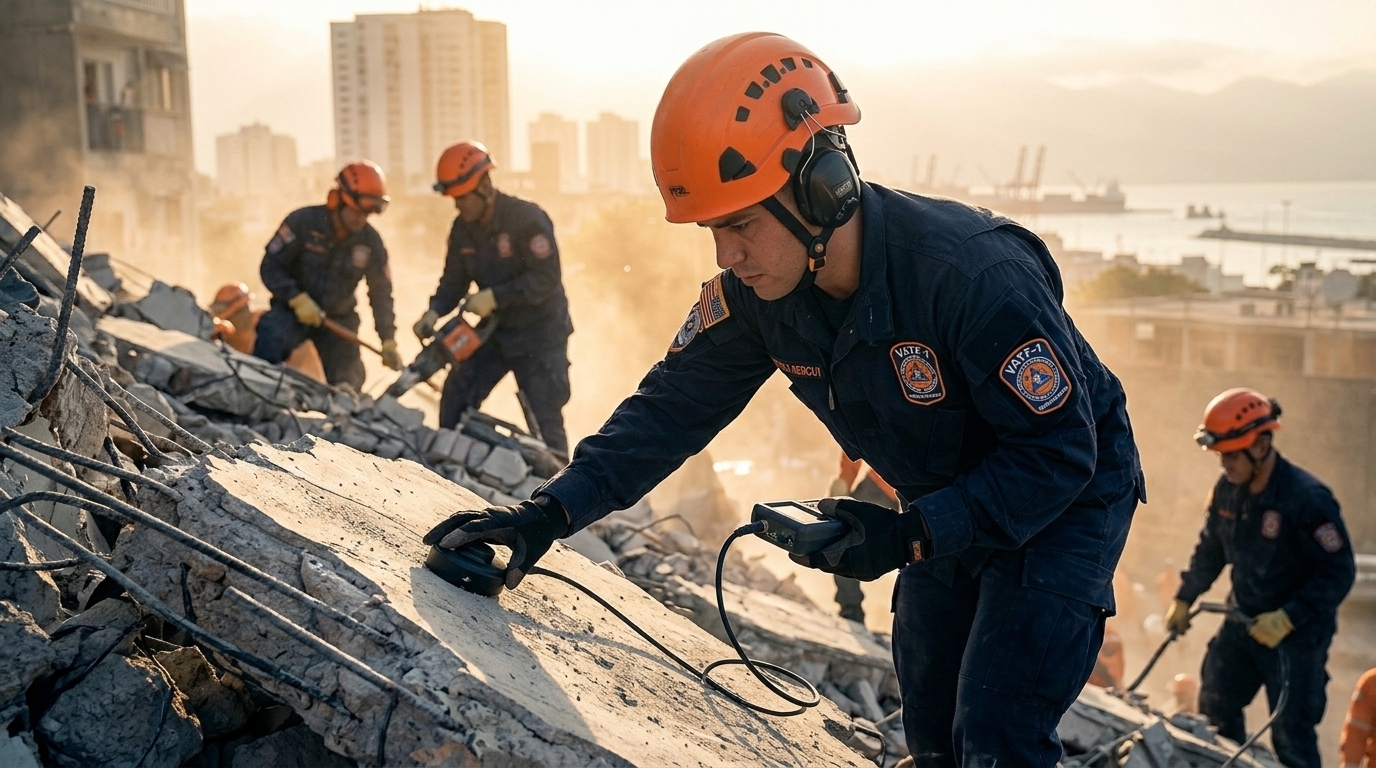
The United States responded swiftly. Secretary of State Marco Rubio confirmed the deployment of elite urban search-and-rescue teams from Fairfax County, Virginia, and Los Angeles County, California. The Pentagon's Southern Command said it was directing the amphibious transport ship USS Fort Lauderdale and the littoral combat ship USS Billings toward Venezuela, along with C-17 and C-130 transport aircraft and helicopter units.
"Those are the acute short-term needs over the next 48 to 72 hours because in search and rescue, you are trying to get to people while you can still save their lives," Rubio said.
Iran said it stood ready to provide assistance. China said it was "willing to provide assistance within its capabilities." Mexico dispatched rescue and medical teams.
A Country Already in Crisis
Venezuela's political and economic situation made the disaster considerably worse. Decades of deferred infrastructure maintenance, buildings that predate modern seismic codes, and an economy crippled by years of hyperinflation left the country poorly equipped to absorb a shock of this scale.
More than 30 aftershocks followed the main events through Thursday, keeping millions of residents off the streets and out of damaged buildings. Thousands spent Wednesday night outdoors or sleeping in their cars.
With official figures still expected to rise significantly, the full scale of the disaster remains unclear. The challenge of rebuilding in the words of one international disaster relief expert is "all the more of an uphill struggle when you're coming from a situation of very limited social services, very limited public infrastructure, and the financial and economic challenges that Venezuela has continued to experience."
What to Watch
Rescue teams are working against a narrowing window to find survivors. Authorities will be monitoring the structural stability of buildings still standing in La Guaira and Caracas, where aftershocks remain a risk. An international pledging effort for reconstruction funding is expected to take shape in the coming days.
Comments (0)
Please log in to post a comment.
No comments yet. Be the first!