
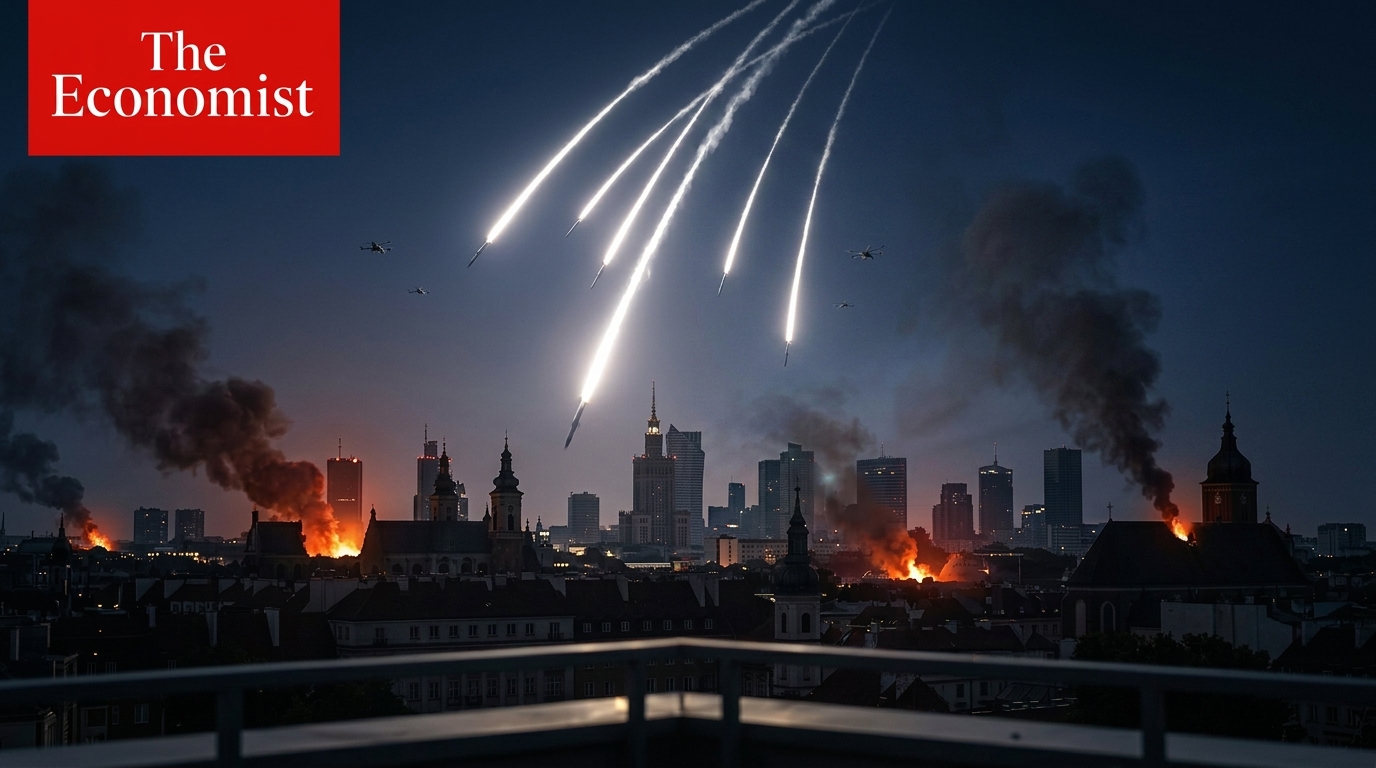
White phosphorus burns at temperatures of up to 2,760 degrees Celsius. It sticks to skin. It cannot be extinguished with water. It burns through clothing, through flesh, down to bone. And in early June 2026, it was falling on Lebanese villages.
Reports from the ground, photographic and video evidence from journalists, and assessments by human rights organizations all pointed to the same conclusion: white phosphorus munitions were being deployed in southern Lebanon, in areas where civilian populations remained present. The images were sickening — the distinctive white streaks in the night sky, the curtains of burning material spreading across fields and rooftops.
White phosphorus is not banned under international law. It has legitimate military uses: as a smoke screen to obscure troop movements, as an incendiary in specific tactical situations. But international humanitarian law is clear that its use in densely populated civilian areas constitutes a violation, because its effects are inherently indiscriminate and because the injuries it inflicts are disproportionate to any military advantage.
The Israeli military, when asked about specific incidents, issued careful statements about ongoing reviews and affirming its commitment to comply with international law. It did not deny the use of white phosphorus but contested characterizations of how and where it had been deployed.
Human rights organizations — including Human Rights Watch, Amnesty International, and the UN Office for the Coordination of Humanitarian Affairs — were less measured in their language. They documented specific incidents of white phosphorus falling on farms, olive groves, and residential areas. They documented burns on civilian victims that were consistent with white phosphorus exposure. They called for an immediate halt to its use in populated areas.
Lebanon's President Joseph Aoun, whose government had been trying to negotiate a ceasefire even as the fighting continued, called Israeli actions in Lebanon "flagrant violations of Lebanese sovereignty and international law." The UN Security Council held emergency sessions, though as with so many such sessions, the outcome was largely determined by the geopolitical alignments of permanent members.
For the people of southern Lebanon — already enduring months of displacement, destroyed homes, and lost livelihoods — the use of white phosphorus added a new layer of terror. Aid workers described the challenges of treating burns caused by the substance, which requires specialized medical care that is in extremely short supply in a conflict zone where hospitals themselves have been targeted.
The long-term environmental damage is also significant. White phosphorus that fails to ignite on initial impact can remain in the soil, posing risks to farmers and communities long after any ceasefire.
Comments (0)
Please log in to post a comment.
No comments yet. Be the first!