
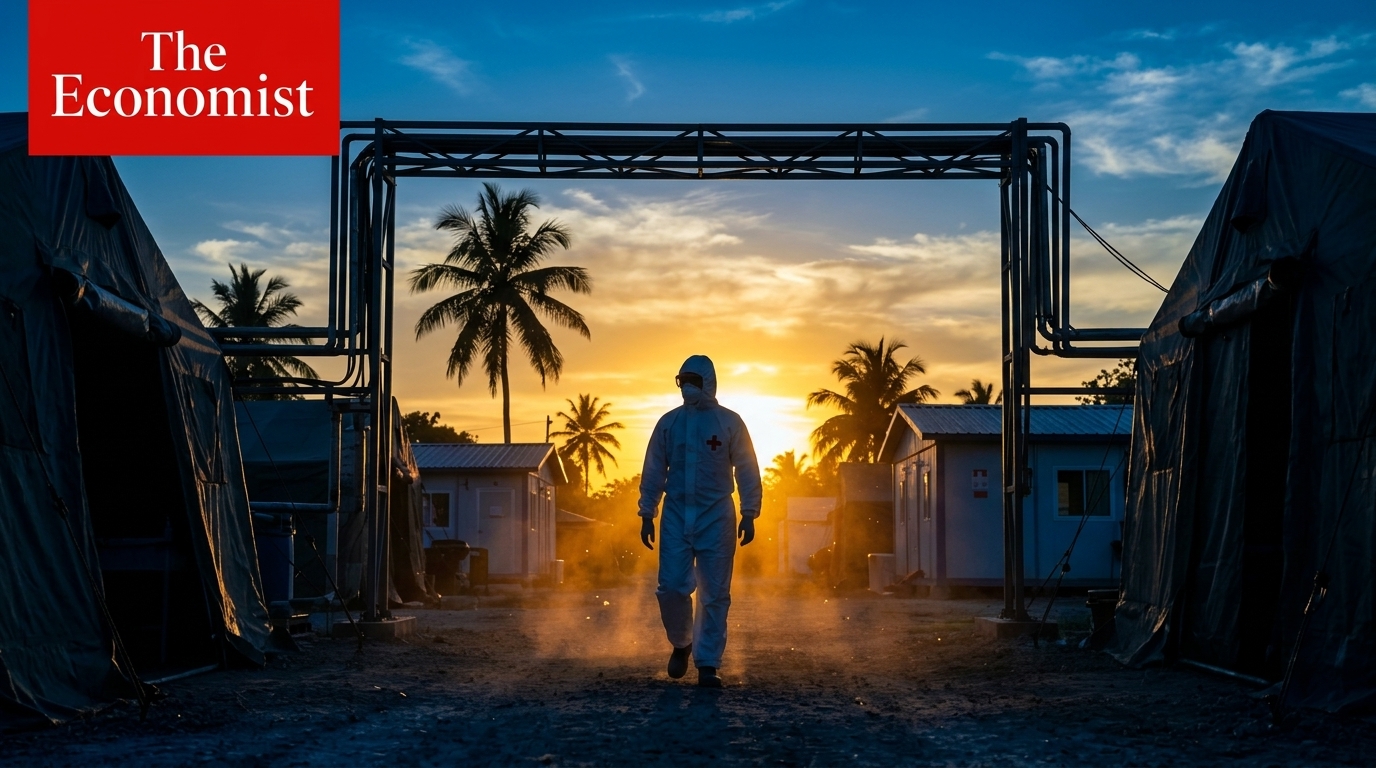
The World Health Organization made it official on May 17, 2026: the Ebola outbreak tearing through the Democratic Republic of the Congo and Uganda was now a Public Health Emergency of International Concern — the highest level of global health alert the WHO can issue.
The outbreak began in mid-May in the Ituri Province of northeastern DRC. On May 15, Congolese health authorities confirmed cases of Ebola virus disease in multiple health zones across Ituri, including the towns of Bunia, Mongwalu, and Rwampara. Within days, cases had been confirmed not just in Ituri but in the distant capital Kinshasa — raising the terrifying prospect that infected individuals were travelling long distances before symptoms emerged.
Even more alarming was the news from neighboring Uganda. Cases were detected in Kampala, Uganda's capital city, confirming that the virus had crossed an international border. This type of spread — reaching two capital cities almost simultaneously — was exactly what WHO experts had feared most.
The particular strain identified was the Bundibugyo ebolavirus — a variant that has caused outbreaks before but is generally less lethal than the more familiar Zaire strain, though still extremely dangerous. By the end of May, the outbreak had registered over 1,000 suspected cases across both countries, with confirmed deaths numbering in the hundreds.
The DRC has a long and painful history with Ebola. This was the country's 17th Ebola outbreak — a grim record that reflects both the persistence of the virus in the region's forests and the challenges of responding to disease in a country with weak infrastructure, ongoing armed conflict, and deep distrust of government authorities. The previous outbreak had ended only five months before this new one began.
In Uganda, the response was faster and more organized. Ugandan health workers, trained by years of experience with Ebola preparedness, moved quickly to isolate contacts, set up treatment centers, and alert the public. But urban transmission in Kampala — a city of over three million people — presented a completely different challenge from rural outbreaks.
The WHO's declaration of a PHEIC triggered a surge in international support. Emergency funds were released, experimental vaccines and therapeutics were fast-tracked for deployment, and international medical teams from organizations like Médecins Sans Frontières began deploying to the hardest-hit zones.
One of the central challenges in this outbreak has been community resistance. In parts of Ituri, local communities — scarred by years of conflict and previous outbreak responses they felt were heavy-handed — have been reluctant to cooperate with health teams. Some have hidden sick family members, resisted contact tracing, or attacked health workers. This kind of resistance is not born of ignorance but of genuine fear and historical trauma, and it makes controlling any outbreak far more difficult.
The broader concern among global health experts is what this outbreak reveals about the state of health systems in the region. Despite years of investment and experience, the DRC still lacks the basic infrastructure — reliable roads, functional hospitals, adequate staffing — to contain a major Ebola outbreak quickly. And as long as that gap exists, the risk of outbreaks escalating into emergencies will remain.
For now, the focus is on containment. Vaccination campaigns using the rVSV-ZEBOV vaccine — proven effective in previous DRC outbreaks — are underway in ring vaccination campaigns around confirmed cases. But with the virus spreading in urban settings for the first time in this outbreak cycle, the coming weeks will be critical.


Comments (0)
Please log in to post a comment.
No comments yet. Be the first!