
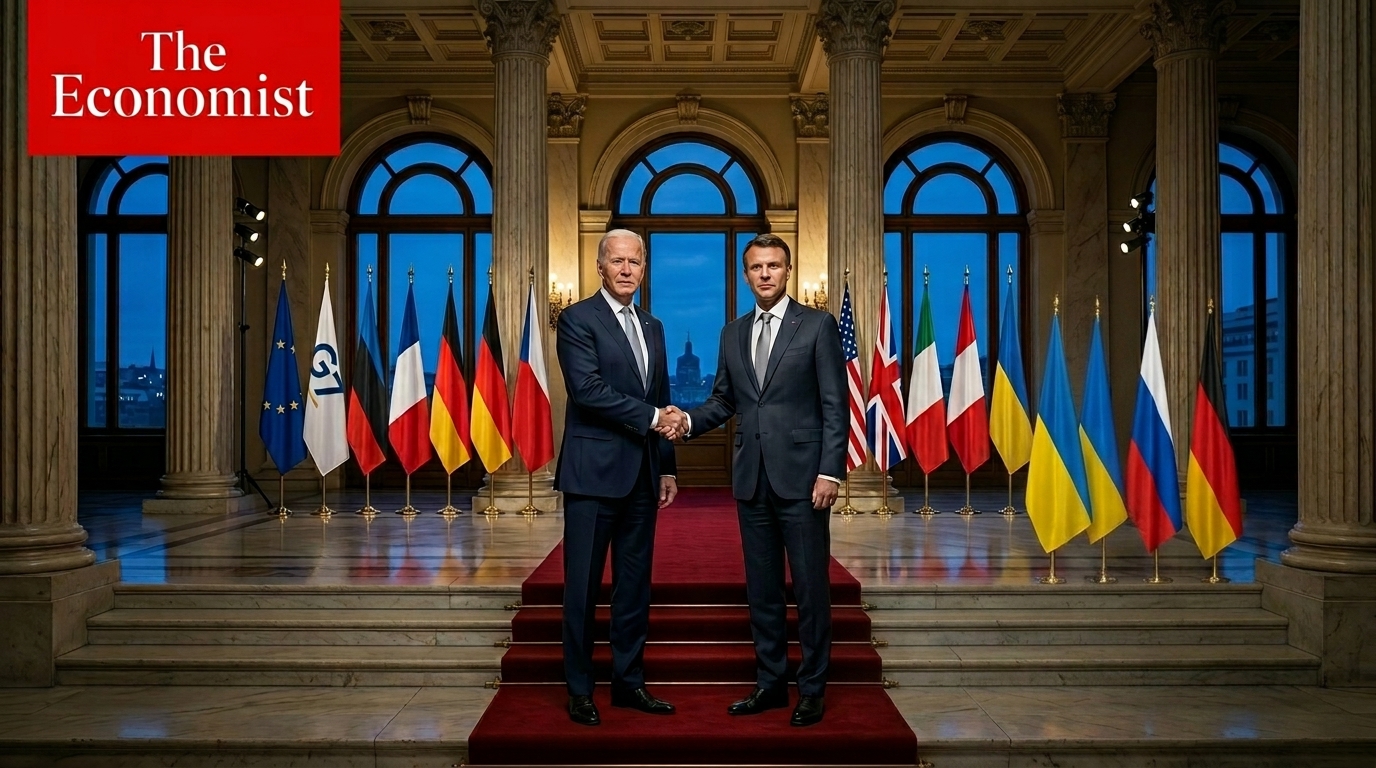
The images from Pyongyang on June 8, 2026 had a quality of carefully staged pageantry that North Korea does better than almost anyone: crowds of citizens lining the routes, enormous floral arrangements, military bands, and the unmistakable aesthetic of a state that takes ceremony very seriously.
Into this setting arrived Xi Jinping, completing his first visit to North Korea since 2019 — a seven-year gap that had seen the world change dramatically and the relationship between Beijing and Pyongyang go through significant turbulence.
The atmosphere of the visit immediately invited comparison with Putin's 2024 trip to Pyongyang. The Russian president had been received with enormous warmth and had left with a mutual defense pact in hand — a significant deepening of the Russia-North Korea relationship that Beijing had watched with a mixture of frustration and concern. Xi's reception, by most accounts, was somewhat less effusive, reflecting the more complicated undercurrents in the China-North Korea relationship.
China remains North Korea's most important ally in almost every material sense. It provides the vast majority of North Korea's trade, supplies a significant portion of its energy needs, and is the primary reason that international sanctions have not completely isolated Pyongyang from the global economy. Yet the relationship has never been an easy one. China has repeatedly been frustrated by North Korea's nuclear weapons program, which it considers destabilizing and which draws American attention and military presence to China's backyard. The two countries' shared communist heritage does not translate into warmth at the leadership level.
Kim Jong Un welcomed Xi in a meeting that, according to Chinese state media, covered "in-depth exchanges" on bilateral relations and "international and regional issues" — diplomatic language that could mean almost anything. More specific reporting from analysts who tracked the signals from both sides suggested that Xi was indeed carrying elements of a message from Trump to Kim, exploring whether the conditions for renewed US-North Korea dialogue existed.
Kim, for his part, played his hand carefully. North Korea has made public statements demanding that the United States drop its denuclearization precondition before any talks can begin — a demand that Washington has not accepted. Kim appeared unwilling to change that position simply because China asked him to.
What the meeting likely achieved was a reaffirmation of ties, a signal to the United States that China remains the central broker on Korean peninsula security, and a baseline for whatever might come next in what is one of the most complex diplomatic puzzles in the world.


Comments (0)
Please log in to post a comment.
No comments yet. Be the first!